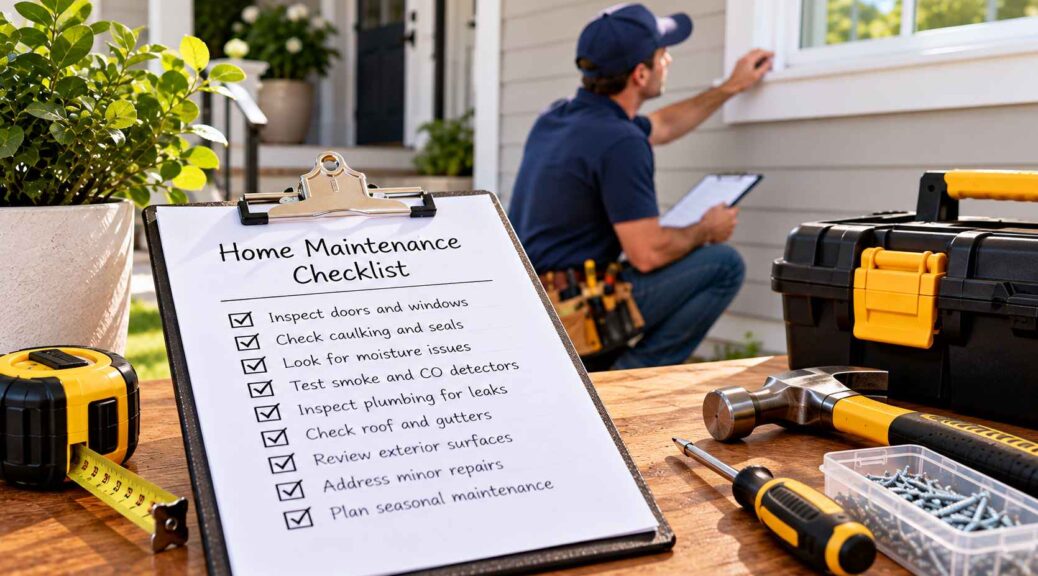
Everyday Home Repairs Ottawa Homeowners Should Not Keep Putting Off
A loose cabinet handle rarely feels urgent. Neither does a sticking bedroom door, a small patch of damaged drywall, or a section of trim that has started separating from the wall. These are the kinds of jobs that homeowners often notice, mentally add to a repair list, and then forget about.
The problem is not that every minor repair needs immediate attention. Most do not. The challenge is that several small jobs can accumulate across a home until the maintenance list becomes much harder to manage.
For Ottawa homeowners, regular attention to everyday repairs can make household upkeep more organized. The goal is not to eliminate every imperfection, but to recognize which jobs are worth addressing before they become ongoing inconveniences.
Loose Handles, Hinges and Cabinet Hardware
Cabinet handles, drawer pulls, hinges and other small pieces of hardware receive constant use.
A loose handle may seem insignificant, but continuing to use it without adjustment can make the cabinet or drawer increasingly frustrating to operate. The same applies to hinges that have become loose or doors that no longer sit correctly.
These are usually easy items to spot during a normal walk through the home.
Rather than waiting until several pieces of hardware become loose, homeowners can keep a running list and group these small jobs together. A single maintenance session can often be more practical than repeatedly stopping to deal with individual problems.
Interior Doors That Stick or No Longer Close Properly
Interior doors naturally experience movement and wear over time.
A door may begin rubbing against its frame, become difficult to close, or develop a handle or hinge problem. Changes in the home environment can sometimes contribute to how doors fit and operate.
A sticking door is not automatically a sign of a serious problem.
However, if a door is becoming increasingly difficult to use, it is worth identifying the cause rather than simply forcing it closed every day.
A small adjustment or repair may be all that is needed, depending on the situation.
Small Drywall Damage
Small holes, dents and marks are common in lived-in homes.
Furniture moves. Shelves are installed and removed. Picture frames are repositioned. Everyday activity leaves its mark.
One small imperfection may not matter much, but several damaged areas can make a home feel unfinished.
Instead of repairing each mark separately, homeowners can identify all the areas that need attention and group the work together. This is especially useful when several rooms have similar finishing issues.
The important distinction is between ordinary surface damage and damage that appears to be connected to moisture, movement or another underlying issue. If a wall defect keeps returning or has an unexplained cause, it may deserve further assessment rather than simply another layer of filler or paint.
Worn or Cracked Caulking
Caulking is easy to overlook because it is generally a small finishing detail.
Over time, however, caulking around sinks, tubs, showers, windows and other areas can become cracked, separated or worn.
Not every damaged bead of caulking indicates a serious problem. It can simply be normal wear.
Still, areas exposed to moisture deserve attention because the condition of surrounding finishes can depend on appropriate sealing.
Homeowners should avoid assuming that replacing visible caulking will solve an unexplained moisture problem. If there are signs of ongoing water entry or dampness, the source should be understood before the surface is simply repaired.
Damaged Baseboards and Trim
Baseboards and trim are particularly vulnerable to everyday household activity.
Vacuum cleaners, furniture, pets, moving boxes and general traffic can cause dents, scratches or loose sections.
Because trim is usually decorative, it is easy to put these repairs at the bottom of the list.
That is perfectly reasonable when the damage is purely cosmetic and stable.
However, once several sections around the home need attention, grouping them into one maintenance project can make the work easier to manage.
A consistent approach to repairs and finishing can also help the home look more polished without requiring a major renovation.
Loose Shelves and Fixtures
Shelving and wall-mounted fixtures deserve a little more attention than purely cosmetic damage because they have to support or hold something.
A shelf that has become loose should not simply be left in place and loaded as usual.
The appropriate repair depends on how the shelf or fixture is installed, the wall material, and the weight it is expected to support.
This is a good example of why a small visible problem does not always have a one-size-fits-all solution.
If a homeowner is unsure whether a fixture is safely secured, getting appropriate assistance can be more sensible than repeatedly tightening the same hardware without understanding why it is loosening.
Minor Carpentry Issues
Small carpentry problems can appear in many parts of a home.
A damaged section of trim, a worn wooden component, a loose interior feature or a small finishing issue may not justify a major project, but several such jobs can accumulate.
The most efficient approach is often to make a complete list first.
Look at the areas where woodwork or finishing needs attention, note what is actually damaged, and then decide which repairs should be completed together.
This avoids the common situation where homeowners keep noticing the same unfinished jobs without ever setting aside time to address them.
Seasonal Wear Around the Home
Ottawa’s changing seasons can provide natural reminders to inspect different parts of a property.
After periods of winter weather, homeowners may notice wear on exterior trim, doors, steps, railings or other exposed areas.
Seasonal changes can also be a useful reason to review caulking, finishes and other visible maintenance points.
The exact maintenance needs vary from property to property.
A simple seasonal walkthrough is often enough to identify items that should be added to the household repair list.
The objective is not to assume that every sign of wear needs immediate replacement. It is to notice changes early enough to make an informed decision about what should be handled.
When Several Small Jobs Start Adding Up
One of the easiest ways for home maintenance to become overwhelming is to treat every small repair as a separate project.
A loose cabinet handle becomes one task. A damaged baseboard becomes another. A sticking door gets postponed again, while a few drywall repairs wait in another room.
Eventually, the homeowner has a dozen unfinished items competing for attention.
Grouping the work can make a major difference.
When several routine repairs are building up around the house, homeowners may choose to work through the list with a local service such as Gillespie Handyman rather than continuing to postpone each task individually.
The key is to approach the list realistically. Straightforward tasks may be suitable for a homeowner who has the necessary skills and tools, while other work may be better handled by someone with the appropriate experience.
Know Which Repairs Need Specialized Help
Not every home repair belongs in a general maintenance list.
Electrical work, gas-related work, structural modifications, complex plumbing and other specialized tasks can involve technical requirements and safety considerations.
Homeowners should not assume that because a problem looks small, it is automatically appropriate for DIY work.
If a repair involves a specialized system or the cause of a problem is unclear, it is sensible to determine what type of professional is actually required before proceeding.
This can prevent a simple maintenance task from turning into an avoidable complication.
Keep a Running Home Repair List
A simple list can prevent small jobs from disappearing from memory.
The list might include the location, description of the issue and a rough priority.
For example:
- Kitchen — loose cabinet hinge
- Hallway — damaged baseboard
- Bedroom — sticking door
- Bathroom — worn caulking
- Basement — small drywall repair
There is no need for a complicated system.
The benefit comes from having one reliable place to record issues as they are noticed.
Every few months, review the list and remove completed tasks. Then decide which remaining repairs should be scheduled, grouped together or investigated further.
Prioritize Rather Than Panic
A long repair list does not mean everything on it is urgent.
Homeowners should distinguish between safety concerns, functional problems, moisture-related issues, routine maintenance and purely cosmetic imperfections.
A small paint mark can usually wait.
A loose fixture that could fall, an active water problem, or a door that affects access may deserve more immediate attention.
This kind of prioritization keeps home maintenance practical and prevents homeowners from feeling that every minor defect needs to be addressed at once.
Make Routine Repairs Part of Homeownership
Small repairs are simply part of owning a home.
The objective is not to maintain a property in perfect condition every day. Normal wear is inevitable.
What helps is having a system for noticing problems, deciding what matters, and dealing with reasonable repairs before the list becomes unmanageable.
A seasonal walkthrough, a simple repair list and occasional maintenance sessions can make everyday upkeep easier.
For Ottawa homeowners, that approach can be especially useful when changing seasons bring new maintenance considerations.
Keep the List Manageable
The best repair plan is one that can actually be followed.
Instead of trying to complete everything at once, identify the jobs that matter most, group related tasks and schedule them around the realities of household life.
Some repairs will be quick. Others may require appropriate professional assistance. Some cosmetic improvements can wait until there is more time.
By treating small repairs as part of an ongoing maintenance routine rather than an endless emergency, homeowners can keep their homes functional and comfortable without allowing every minor imperfection to become a source of stress.